
Waking Up at 5AM for 8 Weeks: What the 5AM Club Changed for Me
Waking Up at 5AM for 8 Weeks: What the 5AM Club Changed for Me Kristina March 5, 2026 My Journey to $100k I’ve started two major new habits this year, and this is my two-month report. It’s now March, and for the first time in my life, I’ve been consistently doing two things I’ve never really done regularly before Waking up at 5AM Using a habit tracker and daily journaling So far, I’ve been surprisingly consistent with both. And honestly? It has been a quiet game changer. Waking Up at 5AM Waking up at 5AM has given me something I didn’t realize I needed so much: an hour to myself. I use that time to journal and update my habit tracker. It allows me to start the morning calmly instead of rushing. Now when I wake the kids for school, I don’t feel frantic. I feel prepared. The first few weeks were difficult. I won’t pretend otherwise. But after about a month, something interesting happened. I started waking up naturally. Usually a few minutes before my alarm. Is this normal? Maybe this is simply what happens when your body finally adjusts to a routine. Because I wake up earlier now, I also get sleepy earlier. The part I’m still working on is going to bed earlier. Ideally I’d like to be asleep by 9:30 PM, but right now it’s closer to 11 PM. Doomscrolling still sneaks in sometimes. I’m working on that. For now, I’m simply enjoying the quiet mornings. I’d love to add a short workout eventually, but since I’m still adjusting to the 5AM club routine, I’m giving myself some grace. Journaling takes time. Making breakfast takes time. And honestly, that hour already feels like a gift before the 7 AM school run. For now, that’s enough. The Habit Tracker The second habit I started this year is using a habit tracker. I discovered a method from a TikTok creator and decided to follow his format almost exactly. January was rough. My habits were inconsistent. But because I physically track them now, ticking the boxes every day, February became much more consistent. There’s something surprisingly powerful about seeing those boxes fill up. You want to keep the streak going. Even if the accountability is only to yourself. This ties into my decision to start tracking everything this year as part of building better systems in my life. Daily Journaling Alongside waking up at 5AM, I started daily journaling. Many journaling methods recommend writing three pages every morning. I don’t force that. I don’t force that. Some days I write one page. Some days I write more. It balances out naturally. I decided to use a beautiful journal that I received as a gift in 2022. And it made me realize something important. I shouldn’t be saving nice things for later. That journal sat untouched for two years. But now that I’m using it, I love it. Soft cover. Thick blank pages. A joy to write in. And it made me realize something bigger. Keeping gifts “for later” isn’t really appreciating them. It’s storing them. And eventually forgetting them. Gifts are meant to be used. Not kept in boxes forever. The Hoarding Realisation As I began journaling consistently, I found all the journaling supplies I had collected over the years. Stickers. Washi tape. Pretty pens. I always thought: “One day I’ll start.” But I never did. Now I’m actually using them. And I realized something slightly uncomfortable. Keeping all of those supplies stored away in boxes is actually a mild form of hoarding. Not extreme hoarding. But still hoarding. They take up space. They add clutter. And in a house where space already feels limited, that matters. Using them now feels freeing. Instead of constantly collecting new things, I’m finally enjoying what I already have. That realization alone has been eye-opening. What 8 Weeks of Waking Up at 5AM Has Taught Me Eight weeks into waking up at 5AM, something has shifted. Not dramatically. But quietly. My mornings feel calmer. Less rushed. More intentional. It’s not perfect. I still go to bed later than I want. I still doomscroll sometimes. I haven’t added workouts yet. But for the first time in my life, I’ve stuck to a habit for two months. And that feels like real progress. What Waking Up at 5AM Is Actually Teaching Me Waking up at 5AM isn’t really about the time. It’s about identity. For years I told myself I wasn’t a “morning person.” I believed that story. And when you believe a story long enough, you live it. But these eight weeks are showing me something different. Maybe I’m not someone who lacks discipline. Maybe I just never built systems that supported me. The habit tracker makes me aware. The journaling makes me honest. The early mornings make me calmer. It’s not dramatic. It’s not a massive life transformation. But it feels like a quiet shift. FAQs About Waking Up at 5AM 1. Is waking up at 5AM healthy? Waking up at 5AM can be healthy as long as you still get 7–8 hours of sleep. The key isn’t the time you wake up, it’s maintaining consistent sleep. 2. How long does it take to adjust to waking up early? For me, it took about three to four weeks before waking up at 5AM felt natural. Your body clock adapts when your sleep schedule becomes consistent. 3. What should you do at 5AM? Many people use the hour for journaling, workouts, reading, prayer, or planning. I use my 5AM hour for journaling and updating my habit tracker. 4. Is the 5AM Club realistic for moms? It can be, as long as it reduces stress instead of adding pressure. For me, waking up at 5AM gives me quiet time before the school run and makes mornings calmer. Recent Post Waking Up at 5AM for 8 Weeks: What the 5AM Club Changed for Me Rebuilding My Website at 45: Why Starting Over Again Isn’t Failure
Rebuilding My Website at 45: Why Starting Over Again Isn’t Failure
Rebuilding My Website at 45: Why Starting Over Again Isn’t Failure Elle Suhardi February 13, 2026 My Journey to $100k Here we go again. I’ve rebuilt my website three times in the past eight months and I’m not sorry. Here’s what no one tells you about rebuilding your website at 45: you don’t get to skip the messy part. I’m in the thick of it right now. Rebuilding one site. Building another from scratch. Rebranding both of my brands. If you’re thinking, “Wait… didn’t you just launch those? Yes. Yes, I did. And here’s what I’m finally understanding: Rebuilding isn’t failure. It’s refinement. It’s how I figure out what I’m actually building. The Tutorial Hell Trap For months, I was stuck in what I now recognize as tutorial hell. You know the feeling. You’re consuming content. Taking courses. Watching YouTube. Reading blogs. Highlighting everything. You’re learning… technically. But you’re not building anything that works. The problem wasn’t lack of information. It was lack of the right framework. When you’re starting over at 45, you don’t have unlimited time to experiment blindly. You need clarity. Direction. Something concrete. I recently joined another paid community (yes, I paid again). But this one was different. Instead of vague advice like “create value” or “build authority,” they said: Use this theme. Model this specific site. Follow these exact steps. And that’s when rebuilding my website at 45 finally made sense. What Changed When I Got the Right Framework I am not someone who thrives on theory. I need examples. I need to see the implementation. Show me a case study. Give me something I can reverse engineer. Let me copy the structure and build from there. Once I had that, I could finally see how to pivot Brand 1 into something more editorial more structured, more Wirecutter-style with affiliate links done properly. For the first time, I could actually visualize how this becomes income. Not hype. Not hope. Actual monetization. I know I’m still far from the earning stage. The rebuilding is mentally exhausting. But I’m not stuck anymore. And that alone makes rebuilding my website at 45 worth it. Why Rebuilding My Website at 45 Isn’t Failure When I look at older versions of my sites, I don’t feel embarrassed. I feel… impatient. I wanted to move faster. I wanted clarity sooner. But here’s the truth: If I didn’t rebuild, there would be no progress at all. Each version taught me something: The first rebuild taught me I needed a monetization plan. The second taught me email funnels and Meta ads. The third is teaching me real editorial content and affiliate marketing done properly. Without those restarts? I’d still have a pretty website with zero earning strategy. The Real Question Isn’t “Should I Rebuild?” It’s: What am I learning from this rebuild? If you’re rebuilding because you’re avoiding visibility, traffic, and putting yourself out there, that’s procrastination. But if you’re rebuilding because you finally understand what you’re building toward? That’s growth. Rebuilding my website at 45 isn’t self-sabotage. It’s refinement. I’m a builder. I need systems. I don’t need perfection. I’m a late bloomer and that’s fine. What I’d Tell Another 45-Year-Old Starting Over If you’re building online and you keep restarting, here’s what I’d say: It’s okay to restart. Actually, it’s often necessary. You cannot build the right thing with incomplete information. The key question is: Are you rebuilding because you learned something better? Or because you’re avoiding the hard part? For me, it’s always been about framework. Give me structure, and I’ll move. Without it, I spin. Where I Am Now I’m still in it. January was heavy. Personal stress. Financial pressure. Distractions everywhere. But February feels different. Both sites are finally aligning with strategy. I’m learning slower than I want to but I am learning. Rebuilding two brands at once may not be efficient. But it’s forcing clarity. Podcasts in the car. Research during school runs. Writing blog posts between caring for my mother. It’s not glamorous. It’s hard. I won’t sugarcoat it. But I’m proud of myself for rebuilding my website at 45 instead of quitting at 45. Because the alternative isn’t a perfect launch. The alternative is no website at all. If you’re reading this from inside your third (or fourth) rebuild: You’re not failing. You’re learning. Keep going. Even if it’s messy. Especially if it’s messy. Restart if you need to. Again. And again. And again. Until one day it’s no longer a rebuild. It’s a foundation. Facebook-f Instagram Recent Post Rebuilding My Website at 45: Why Starting Over Again Isn’t Failure Dear Elle Letter – Reflecting on Growth, Responsibility, and Resilience Perimenopause at 45: Brain Fog, Anxiety, and Learning to Care for My Body Categories My Journey to $100k Subscribe Our Newsletter Sign up today and get the Canva Course Starter Pack Freebie, plus access to my free newsletter filled with tips and inspiration. You can unsubscribe anytime, and you’ll find all the details in our Privacy Policy. Send You have been successfully Subscribed! Ops! Something went wrong, please try again.
Dear Elle Letter – Reflecting on Growth, Responsibility, and Resilience
Dear Elle Letter – Reflecting on Growth, Responsibility, and Resilience Kristina February 9, 2026 My Journey to $100k Dear Elle, You made it through the year. That alone deserves to be said clearly, without rushing past it. This was not an easy year. It asked a lot from you- financially, mentally, and emotionally. And yet, you met what needed to be met. You paid your son’s university fees for the entire year. Month after month, responsibility showed up, and so did you. That is not a small thing. That is stability. That is provision. That is love in its most practical form. There were moments this year when you wondered if all the effort was worth it, when the work felt endless and the progress invisible. The days were long, the to-do lists never seemed to end, and sometimes it felt like you were carrying everything quietly on your own. But looking back now, you can see it. The systems you kept building slowly and patiently began to stand on their own. And with Kristina by your side, helping where she could and encouraging when it mattered, those systems became real. Your blogs are no longer just ideas. They are monetized, earning, and alive. Your brands are no longer fragile. They are established and growing in value. Your YouTube channels didn’t just exist; they grew into three steady, monetized platforms. You also handled the unglamorous parts. The paperwork. The tax documents. The responsibility of running a U.S. LLC that is no longer “new” but established—twenty-two months old now. That matters. Your online travel agency moved from planning into reality, booking regular Disney holidays and earning commissions built on real trust from real families. Your affiliate marketing reached a steady rhythm, bringing in consistent monthly income. Your Amazon wholesale business added another dependable stream. Your courses and digital products began doing exactly what you hoped they would helping others while sustaining you. None of this happened overnight. And none of it happened without doubt. Because of this quiet, persistent work and because of Kristina’s constant encouragement you were able to do something that once felt far away. You took your family on holiday. Not once, but twice. You created memories, not just spreadsheets. You allowed life to be lived alongside building. And then there was Japan. Meeting Kristina in September was a moment you will carry with you for a long time. A reminder that what started online through messages, shared tasks, and mutual trust became something real. A meaningful friendship. Proof that the world you were building extended beyond your screen. I know you didn’t always feel confident this year. There were days you questioned your pace, your energy, and your focus. There were many days with tears breaking down from juggling household responsibilities, homework, school runs, and deadlines. Thank goodness for your strong backbone. For a beloved, supportive husband.For a sister who was always there when you needed a shoulder.For Kristina—the greatest accountability partner who never let you give up. There were days when your body asked for more patience than you thought you had. Days when your mind felt heavy, foggy, and anxious. Days when you had to learn to work with yourself instead of against yourself. Days shaped by perimenopause—anxiety, confusion, and exhaustion—quietly weaving themselves into your routine. And still, you showed up. You adapted instead of quitting. You adjusted instead of forcing. This year taught you things gently, but firmly: That consistency carries you further than intensity ever did. That boring progress is still progress. That income built slowly feels safer than income built in panic. That rest is not the opposite of ambition it is what allows ambition to last. So let this Dear Elle letter be a marker. Not a victory lap. Not a promise to do more next year. Just a moment to acknowledge that you built a life that holds. You don’t need to rush past this. You don’t need to minimize it. You did well. With gratitude, Elle Facebook-f Instagram Recent Post Dear Elle Letter – Reflecting on Growth, Responsibility, and Resilience Perimenopause at 45: Brain Fog, Anxiety, and Learning to Care for My Body Dreading the Next Goodbye: When Your Child Leaves Home Categories My Journey to $100k Subscribe Our Newsletter Sign up today and get the Canva Course Starter Pack Freebie, plus access to my free newsletter filled with tips and inspiration. You can unsubscribe anytime, and you’ll find all the details in our Privacy Policy. Send You have been successfully Subscribed! Ops! Something went wrong, please try again.
Perimenopause at 45: Brain Fog, Anxiety, and Learning to Care for My Body
Perimenopause at 45: Brain Fog, Anxiety, and Learning to Care for My Body Kristina February 5, 2026 My Journey to $100k These days, I feel more forgetful than I used to be. I cannot seem to remember what I was supposed to do, and sometimes even what I just did. This does not feel like being distracted or busy. It feels different—like my mind is cloudy, slower, and harder to trust. I now understand this as perimenopause at 45, but at first, it frightened me. For a while, I worried something was wrong with me. I questioned my focus, my memory, and even my ability to function day to day. During my usual school run, I listened to a Mel Robbins podcast episode about menopause and perimenopause, and for the first time, things clicked. What I was experiencing—brain fog, anxiety, and emotional changes—was not imagined. It was real and recognized. That knowledge brought relief. I may not like this phase, but understanding it makes it feel less frightening. I have also noticed that I get frustrated more easily. Small things feel overwhelming. I used to tell myself it was stress or exhaustion and that I should just push through. But learning how hormonal changes during perimenopause directly affect mood and emotional regulation helped me stop blaming myself. This is not weakness. It is my body adjusting. Perimenopause was never something I thought about when I was younger. Menopause felt distant—something for much older women. I did not realise that perimenopause can begin years before menopause itself. Facing that truth forced me to really acknowledge my age and what my body has quietly been navigating. Looking back, the signs were there. Seeing my hair slowly turn grey was one of the first things that unsettled me. I remember finding my first white hair in my mid-thirties and feeling ashamed. I colored it immediately. Over time, covering my greys became routine, not just out of vanity, but fear. Fear of aging, especially as an older mother among much younger parents at school. Lately, I have felt tired of fighting it. I could not be bothered anymore. And maybe that, too, is part of acceptance. Now that I am 45, my priorities have shifted. I care less about how I look and more about how I feel how strong I am, how healthy my body is, and how long I can stay mobile and independent. One of the biggest takeaways from the podcast was the importance of strength training during perimenopause. Exercise is no longer about weight or appearance. It is about protecting muscle, bone health, and long-term mobility. Another surprise was learning about creatine. I always associated it with athletes or bodybuilders, not women navigating perimenopause at 45. Understanding how it can support muscle strength and even cognitive function made me realize how outdated my view of midlife health had been. Anxiety has also been a quiet companion lately. I kept dismissing it as stress, but sometimes it shows up unexpectedly keeping me awake at night or making me feel uneasy without reason. Learning that anxiety can be a symptom of perimenopause helped me reframe it with compassion instead of shame. I have also been waking up feeling unusually warm at night. Restless. Uncomfortable. I never thought of it as hot flashes because they did not look dramatic like they do in movies. Realising that hot flashes can be subtle and vary from person to person was oddly comforting. At the heart of all this is fear. I am afraid I will not be able to keep up with my youngest. I want to walk beside her, attend her school events, and be present for her life. I want to age well not perfectly, but with strength, mobility, and independence. That is why caring for myself during perimenopause at 45 now feels non-negotiable. What I Am Changing Moving Forward This phase of life cannot be ignored or pushed through blindly. I want to be intentional. I am prioritizing strength training, improving nutrition, and supporting my body with knowledge instead of fear. I am learning to be gentler with myself emotionally, especially on days when anxiety or mental fatigue feels heavy. Most of all, I am choosing to stay informed. Understanding my body has given me peace, and that feels like the most important form of self-care right now. Resources I Found Helpful The Mel Robbins podcast episode helped me understand perimenopause with clarity and compassion. Podcast: The Ultimate Guide to Menopause: How to Boost Your Metabolism, Build Muscle, & Balance Your Hormones YouTube: The Hormone Reset: What Every Woman Needs to Know about Menopause to Feel Amazing Again Frequently Asked Questions 1. Is it normal to experience brain fog during perimenopause at 45? Yes. Brain fog is a very common symptom of perimenopause at 45. Hormonal fluctuations can affect memory, focus, and mental clarity, making you feel forgetful or mentally slower. While it can feel frightening, it is a recognised part of this transition for many women. 2.Can perimenopause at 45 cause anxiety even if I never struggled with it before? Absolutely. Anxiety can appear or intensify during perimenopause at 45, even in women who have never experienced it previously. Hormonal changes can impact emotional regulation, sleep, and stress response, which may lead to sudden or unexplained feelings of anxiety. 3. What is the best way to care for my body during perimenopause at 45? Caring for your body during perimenopause at 45 starts with awareness. Strength training, supportive nutrition, proper rest, and staying informed can help protect muscle, bone health, and overall wellbeing. Just as important is emotional care being gentle with yourself and understanding that this phase is not a failure, but a transition. Facebook-f Instagram Recent Post Perimenopause at 45: Brain Fog, Anxiety, and Learning to Care for My Body Dreading the Next Goodbye: When Your Child Leaves Home The Year of Discipline Over Doubt: Why 2026 Demands Consistency Categories My Journey to $100k Subscribe Our Newsletter Sign
Dreading the Next Goodbye: When Your Child Leaves Home

Dreading the Next Goodbye: When Your Child Leaves Home Elle Suhardi January 8, 2026 My Journey to $100k I am already dreading the next goodbye, saying goodbye to my eldest son as he returns to Manchester on the 11th of January. Does it ever get easier? Are there ways to cope with this feeling? Is this normal? I find myself crying just thinking about the fact that by next Sunday, he will be gone again. I wish it was not this hard. I often wonder if other parents feel this way too, or if this is something I am meant to carry quietly on my own. I cannot bear the thought of his empty room again. When Life Feels Complete, Then Suddenly Quiet He has been home since the 24th of December. These past few weeks, my heart has felt so complete. I love having him home. I love seeing his laundry basket full of his clothes. We spent our days going out to his favourite restaurants, and I made him his favourite home-cooked meals. These moments bring me so much joy, ordinary, simple moments that somehow mean everything. This has been the longest he has ever been away from me, almost three months, and now I am being asked to accept that this is my new reality. He is grown. He is a man. And still, in my heart, he is my baby. Loving a Child Who Lives Far Away Somewhere on Instagram, I saw a post that said you only have 18 years with your children, and after that, you get about one year with them collectively over the rest of your life. That thought struck me deeply. It felt unbearable. That cannot be true. I am not ready to let him go. And yet, that is exactly what I must do. It is hard for me. I am not ready to let him go. Tears Are Love, Not Weakness But I am not afraid to show my tears. I want him to know that this is love. My tears are love. The depth of my sadness comes from the depth of my love, and that is something I am not ashamed of. It is not that I do not want him to go and live his life. I am proud of him. I want to see him thrive and succeed, and we will support him in every way we can. But I will still cry. Because I love him. And I want him to know that. Holding Space While Letting Go I am grateful that I still have the little ones to keep me busy. They are great blessings in our life. Their laughter and routines anchor me on days when my heart feels especially heavy. My husband is silently supportive, as he always is. He does not say much, but he is always there. He knows when to comfort me quietly and when to give me space to cry. That kind of presence speaks louder than words. To me, crying is not a sign of weakness. It is a sign of love. Missing Someone Is How Love Continues This is the same way I respond when I think about my brother. When I hear his favourite song or when a memory surfaces unexpectedly, the tears come freely. And I am at peace with that. I never want to stop missing him. Missing him is how I continue loving him. It is how I remember him. In the same way, dreading the next goodbye is not something I want to fix or erase. It is simply part of loving deeply. Choosing to Love Differently I know this relationship with my children is different from the one I had with my own parents, especially my mother. I cannot help but notice the contrast. I do not want to reopen old wounds or dwell on pain for the sake of comparison, but the awareness comes naturally. I choose to learn from that pain. I choose to learn from that pain. I choose to show my children my love as openly and as often as I can. And it shows in the relationship we already have. I am grateful for all their love. I am grateful that I can receive their hugs and hear them tell me that they love me naturally. It is not forced. It is not difficult. That is all I could ever ask for. So for now, it is another goodbye. With all my love and prayers for him in Manchester, until he is back in my arms again. Frequently Asked Questions 1. Does it ever get easier when your child leaves home? A. Many parents find that it does not necessarily get easier, but it becomes more familiar. The emotions remain because the love remains. 2. Is it normal to feel anxious before saying goodbye to your child? A. Yes. Anticipatory grief is common, especially when children live far away. Feeling anxious does not mean you are not coping, it means you are deeply connected. 3. Is crying a healthy response to missing your child? A. For many parents, yes. Crying can be an expression of love, release, and emotional honesty rather than weakness. 4. Can you support your child’s independence and still feel heartbroken? A. Absolutely. Pride and sadness often coexist. Supporting your child’s growth does not mean suppressing your emotions. 5. Is it okay to keep missing someone you love? A. Yes. For some people, missing someone is how love continues. It is not something to move past, it is something to carry. Share This : Facebook-f Instagram Recent Post Dreading the Next Goodbye: When Your Child Leaves Home The Year of Discipline Over Doubt: Why 2026 Demands Consistency Zero Sales Online Business: What This Year Taught Me Categories My Journey to $100k Subscribe Our Newsletter Sign up today and get the Canva Course Starter Pack Freebie, plus access to my free newsletter filled with tips and inspiration. You can unsubscribe anytime,
The Year of Discipline Over Doubt: Why 2026 Demands Consistency
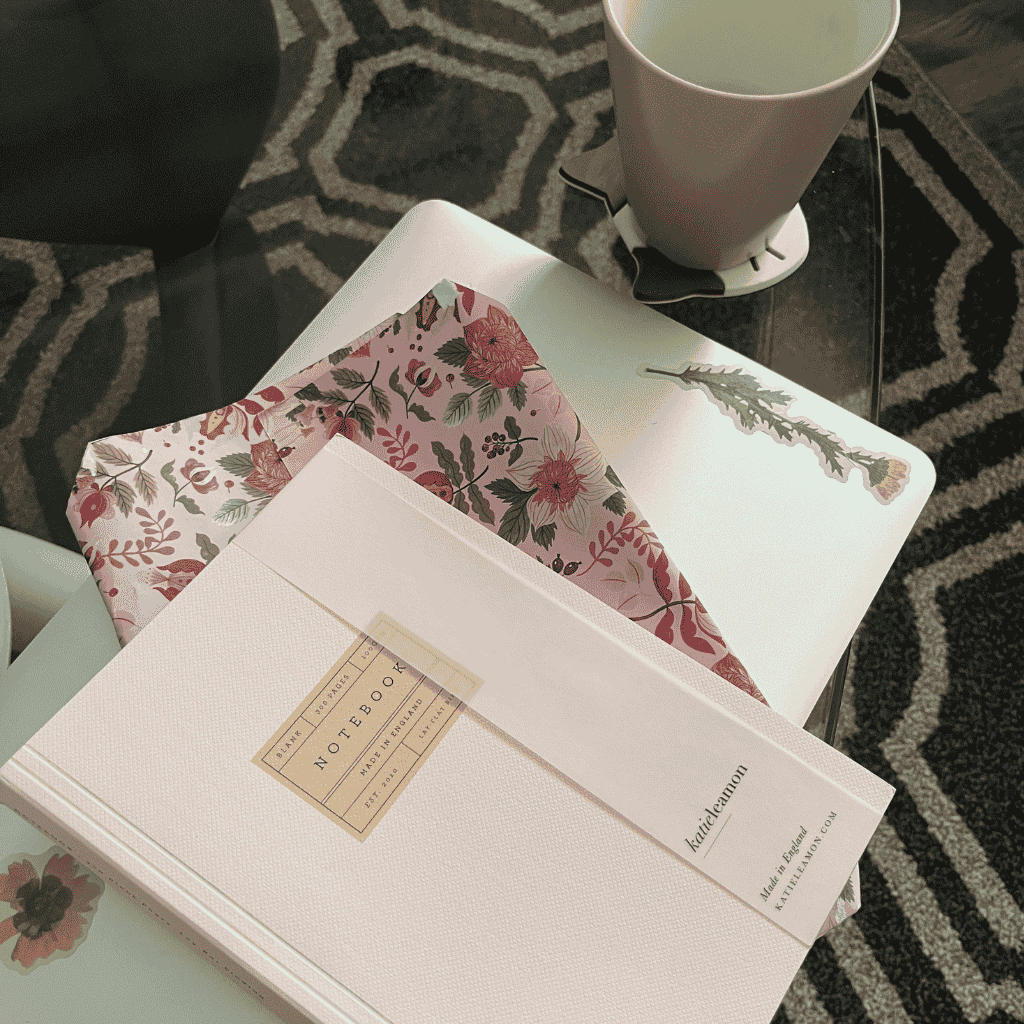
The Year of Discipline Over Doubt: Why 2026 Demands Consistency Elle Suhardi January 6, 2026 My Journey to $100k This is my theme for the year. The Year of Discipline Over Doubt. That sentence alone sums up what I believe is the strongest and most important habit I need to implement in my life right now: discipline. Not motivation. Not inspiration. Not another new idea. Discipline. When I look back honestly, it is the lack of discipline that has quietly caused so much damage in my adult life. Not loudly. Not dramatically. But consistently enough to matter. Where Things Kept Falling Apart So many projects failed. So many ideas were left unfinished. Not because they were bad ideas. Not because I wasn’t capable. But because I didn’t push through. If only I had stuck to the routine. If only I had completed what I started. If only I had stayed consistent just a little longer. Giving up has always been easier than completing. And if I’m being completely honest with myself, a big reason for that was comfort. I always had a financial cushion, something to fall back on. A safety net that made quitting feel harmless. I could stop, reset, pivot, or abandon things knowing that somehow, things would still be okay. Until they weren’t. Why 2026 Feels Different This year feels different because the cushion is gone. After exhausting my savings, there is no longer that quiet reassurance in the background. There is no more “it will work itself out” without action. 2026 requires me to step up. I need to rebuild my savings. I need to earn what I need to survive the year. I need to stop walking away when things get uncomfortable. At 45, I can’t keep repeating the same patterns and expect a different outcome. This is no longer about ambition. It is about responsibility. Choosing the Year of Discipline Over Doubt That is why I chose my theme intentionally: The Year of Discipline Over Doubt. Not because doubt will disappear. Not because fear will suddenly go away. But because discipline has to come first, even when doubt is loud. Alongside this theme, I’ve committed to two clear missions for 2026: Habit Tracking No Spend 2026 Both ideas were inspired by creators I came across on TikTok. I didn’t copy them exactly—I adapted them to fit my life, my circumstances, and my reality. Because discipline doesn’t need to look dramatic. It just needs to be consistent. What “Discipline Over Doubt” Actually Means to Me So what does The Year of Discipline Over Doubt actually mean? It means showing up even when I feel unsure. It means sticking to routines when motivation disappears. It means finishing what I start, even when it feels boring or uncomfortable. It means stopping the daily negotiation with myself. Doubt will always exist. Fear will always have something to say. But discipline doesn’t require confidence. It only asks for action. This year isn’t about proving anything to anyone else. It’s about proving to myself that I can be trusted to follow through. One habit at a time. One tracked day at a time. One decision not to quit when quitting feels easier. That is what 2026 is for me. Why Habit Tracking Came First Habit tracking was inspired by Dominic Hart. He’s not the original creator of the method, but he was the first person who made it click for me. I initially found him on TikTok, but his longer YouTube video explaining the system helped everything make sense. I decided to use his approach to track ten habits for the month. As of January 5, I’m on Day 5. Not perfect. But consistent enough to keep going. What helped most was starting before the new year. Instead of waiting for January 1 and putting pressure on myself, I started a few days earlier in December. That allowed me to practice, adjust, and learn without the emotional weight of a “fresh start.” By January, I already knew what I was doing. Using What I Already Had Another intentional decision I made was not buying a new notebook. I used one I already owned, one with enough pages to last the rest of the year. That single decision allowed me to start immediately, without delay, and without turning this into another excuse to shop. No perfect planner. No aesthetic setup. No leather-bound notebook. That choice aligns perfectly with No Spend 2026. The Realisation Behind No Spend 2026 This process forced me to confront a simple truth: I already have enough. Yet so many things in my home go unused, forgotten, or pushed aside simply because there’s too much. Over time, I’ve ended up buying duplicates without realizing it. My closet is full and slowly spilling into my children’s space. My dresser holds both opened and unopened skincare from too many brands. I own bags, pouches, and organizers that barely get touched. Clutter didn’t arrive overnight. It crept in quietly. What No Spend 2026 Looks Like for Me No Spend 2026 doesn’t mean deprivation. For me, it means I won’t buy anything new for myself unless it’s truly necessary. No new clothes. No new makeup. No new stationery. I will still buy what my children need, and I’m giving myself grace to go through my existing things slowly and intentionally. This isn’t punishment. It’s clarity. And control. Documenting the Process To stay accountable, I’ve decided to document this journey publicly. I’ll be sharing my decluttering and discipline process honestly, not perfectly, just truthfully. If you’re navigating something similar, you can follow along on Instagram when the series begins on January 12. This year isn’t about starting over with more things. It’s about learning to finish, use, and honor what I already have. Frequently Asked Questions 1. Why focus on discipline instead of motivation? A. Motivation fades. Discipline carries you when motivation disappears. 2. Is No Spend 2026 about deprivation? A. No. It’s about awareness, restraint, and using what already exists. 3.
Zero Sales Online Business: What This Year Taught Me

Zero Sales Online Business: What This Year Taught Me Kristina January 2, 2026 My Journey to $100k Yes, it’s December 2025. And yes, zero sales so far. Zero, against a planned target of 100K. This year of zero sales in my online business is not something I say lightly, but it’s something I say honestly. Am I surprised by this? Honestly, no. I know my real journey. I understand this path now, and I know exactly why things are the way they are. When I look at the full picture, not just the numbers, it makes sense. Am I disappointed? Surprisingly, no. Of course, the money would have helped. Any amount would have helped. This year came with real financial pressure, and I won’t pretend otherwise. But despite that, this year also brought unexpected support, quiet help, timely relief, and doors opening exactly when they needed to. This journey was necessary. Very necessary. What Zero Sales in an Online Business Really Means This year has been hard. Uncomfortable. Frustrating. At times, overwhelming. But it has also been deeply eye-opening. Without the resistance, without the pressure, without the reality of earning nothing yet, I would never have reached the point where I genuinely wanted to change, not vaguely, not “someday,” but now. Change is necessary for me to move forward with my life. For too long, I’ve been financially idle and complacent. That is a hard truth to admit, and an even harder one to sit with. There was no sudden revelation where everything magically became fine. This is not a neat turnaround story. This is a beginning that happens to start at zero. Learning Before Earning I started this journey with intention, and I’m ending the year with zero sales in my online business, but I can say this with certainty: What I’ve learned is worth more to me than numbers on a screen. It’s difficult to explain without opening up too much about my financial past. We were lucky for a long time. Life was comfortable. Money came easily. Because of that, I never learned how to truly look after it. I spent carelessly. I didn’t build systems. I didn’t plan for sustainability. Now, with savings dwindling and bills becoming heavier, I’m facing the uncomfortable but unavoidable task of rebuilding, properly this time. And despite how confronting this zero feels, I’m still determined to do it. The Real Wins Behind the Zero This year changed me. I learned skills I never imagined I’d have. I built my own website. I launched email campaigns. I set up a U.S. LLC. I opened a U.S. bank account, things that once felt impossibly out of reach. I just need to step into it. The experience has been priceless. The tools, the skills, and even the frustrations expanded what’s possible for me. Every obstacle I struggled through strengthened me in ways comfort never could. And strangely enough, standing here at zero, the 100K goal feels more real than it ever has. Not because I’ve reached it but because now, I finally understand the work it takes to earn it. Why Zero Is Not the End Ending the year with zero sales in an online business does not mean failure. It means the system hasn’t converted yet, not that the effort was wasted. Progress doesn’t always show up as money first. Sometimes it shows up as capability. Awareness. Readiness. This year stripped away illusions and replaced them with understanding. Zero is not a conclusion. Zero is information. Zero is a starting point. Frequently Asked Questions 1. Is it normal to make zero sales in the first year of building an online business? A. Yes. Many people experience zero or very low sales in their first year, especially when learning new skills from scratch. Early stages are often about building foundations, not income. 2. Does zero sales mean I failed? A. No. Zero sales means the system has not converted yet, not that the effort was pointless. Skills, experience, and infrastructure still compound over time. 3. How do you keep going when results are not visible? A. By shifting focus from outcomes to consistency. Progress during slow seasons often shows up as capability, not cash. 4. What is the biggest lesson from a year with no income? A. That comfort can hide weaknesses. Financial pressure revealed habits that needed changing and forced long-overdue growth. 5. Is rebuilding financially in midlife realistic? A. Yes. It is emotionally harder, but often more sustainable. Awareness becomes an advantage rather than a setback. 6. What should someone do after ending the year with zero sales? A. Pause. Assess what was built. Identify what is reusable. Refine direction. Zero is not the end, it’s the beginning. Facebook-f Instagram Recent Post Zero Sales Online Business: What This Year Taught Me Caring for Aging Parents While Raising Children: Learning to Care Without Losing Myself Dreaming as Emotional Survival in the In-Between Categories My Journey to $100k Subscribe Our Newsletter Sign up today and get the Canva Course Starter Pack Freebie, plus access to my free newsletter filled with tips and inspiration. You can unsubscribe anytime, and you’ll find all the details in our Privacy Policy. Send You have been successfully Subscribed! Ops! Something went wrong, please try again.
Caring for Aging Parents While Raising Children: Learning to Care Without Losing Myself

Caring for Aging Parents While Raising Children: Learning to Care Without Losing Myself Kristina December 29, 2025 My Journey to $100k Learning to Care Without Losing Myself Note to Readers This piece reflects my personal experience of caring for aging parents while raising my own children. It is written with love, forgiveness, and acceptance, not to assign blame or revisit the past. Every family dynamic is different, and this is simply one perspective, shared in the hope that others navigating similar seasons feel less alone. When Life Quietly Shifts My parents are both 75 now. They are well and largely independent. My father still drives. They can walk on their own, and my mother uses a walking stick after her knee operation. They still enjoy going out and meeting people, and they love spending time with my kids, their only grandchildren. I am deeply grateful that they are still able to do this. And yet, behind all of this, things are not always easy. Caring for aging parents while raising children is not something that arrives with an announcement. It arrives quietly. In shorter patience. Slower routines. Unspoken needs that become more frequent and more constant. When you are also raising children, you realise something unsettling: You are no longer just someone’s child. You are now the bridge between generations. The House That Holds Too Much History My parents still live in the house where I grew up. It is a large home, built for a full, busy family life. Over the years, they added extensions to accommodate our changing seasons, from childhood to teenage years and beyond. They both had successful careers and retired comfortably. That house has seen celebrations, routines, and countless transitions. Now, it is quieter. After my brother passed away, and after we moved into our own home nearby, the house began to feel different. It didn’t shrink physically but emotionally, it feels heavier. Emptier. When we chose where to live, I made a deliberate decision to stay close. Five minutes away. Close enough to be present, but far enough to raise my own family in our own rhythm. Caring for aging parents while raising children requires intention not obligation. Proximity, in my case, was a choice made with awareness, not guilt. The Invisible Work of Being a “Good Daughter” I am the eldest. I have a younger sister and a brother. My sister lives with my parents now. She is not married and has dedicated her life to caring for them day to day. She works remotely from home and manages the routines, meals, and practical details that keep everything running. She does this sincerely and well. I am deeply grateful for her. Because of her presence, my role looks different. I step in several times a week. I bring my children over so my parents can spend time with their grandchildren. I take over when my sister needs rest or space. On paper, it sounds manageable. In reality, caring for aging parents while raising children requires constant emotional calibration. Being a “good daughter” is not a checklist. It is a quiet negotiation between gratitude, guilt, love, fear, and restraint. Am I doing enough? Am I allowed to protect my own energy too? When Difficulty Has a Long Memory Lately, my mother has become increasingly difficult to manage. Her anger appears more frequently now, repetitive, intense, and often impossible to appease. This is not entirely new. She has always been quick to anger, but age has made it harder to defuse or step away from. Although she remains fairly independent, she needs help with daily household tasks, ;aundry, cooking, managing a house that is simply too large for aging bodies. We are fortunate that we can afford live-in help. And yet, she refuses it. Every attempt to introduce assistance becomes another source of frustration. Even well-intended help is often met with resistance or anger. But not having extra help is not an option. My parents can’t carry heavy laundry, and my mother has relied on help for many years. Expecting her to suddenly manage everything again is not practical and it feels unsafe. I acknowledge her good qualities. She gave us everything money could buy security, education, travel, opportunity. And yet, living for years in anticipation of someone’s anger leaves an imprint. Sometimes, I still react not as an adult, but as the child I once was careful with words, alert to tone, bracing myself. I am still afraid of her in a way that feels frozen in time. Like I am twelve again. This is not something I wish to relive publicly. What matters now is moving forward. Love That Exists Alongside Difficulty I want to say this clearly, because it matters. I do love my mother. I have always included her in my life and in my children’s lives, intentionally, from the very beginning. She has been present for milestones, ordinary weekends, and quiet family moments. As a grandmother, she is loving and fiercely protective. She spoils her grandchildren endlessly and takes deep pride in them. This is what I am grateful for. And this is why, even when it is hard, I continue caring for aging parents while raising children. Because love can exist alongside difficulty. Understanding Without Excusing Over time, I have come to understand at least in part why she carries so much anger. She was hurt herself, a long time ago. That pain was never fully resolved. And pain left unattended often spills outward. Hurt people hurt people. That is not an excuse, it is an observation. I forgive her for what she carried. I forgive her for what extended into our childhood. Not because it was easy, but because I needed peace more than resentment. There are still difficult days. Her anger is deliberate, not confused. This is not dementia. On those days, I remind myself again to forgive, to love, and to respond without becoming hardened in return. When Responsibility Stacks Instead of Replaces Raising children
Dreaming as Emotional Survival in the In-Between
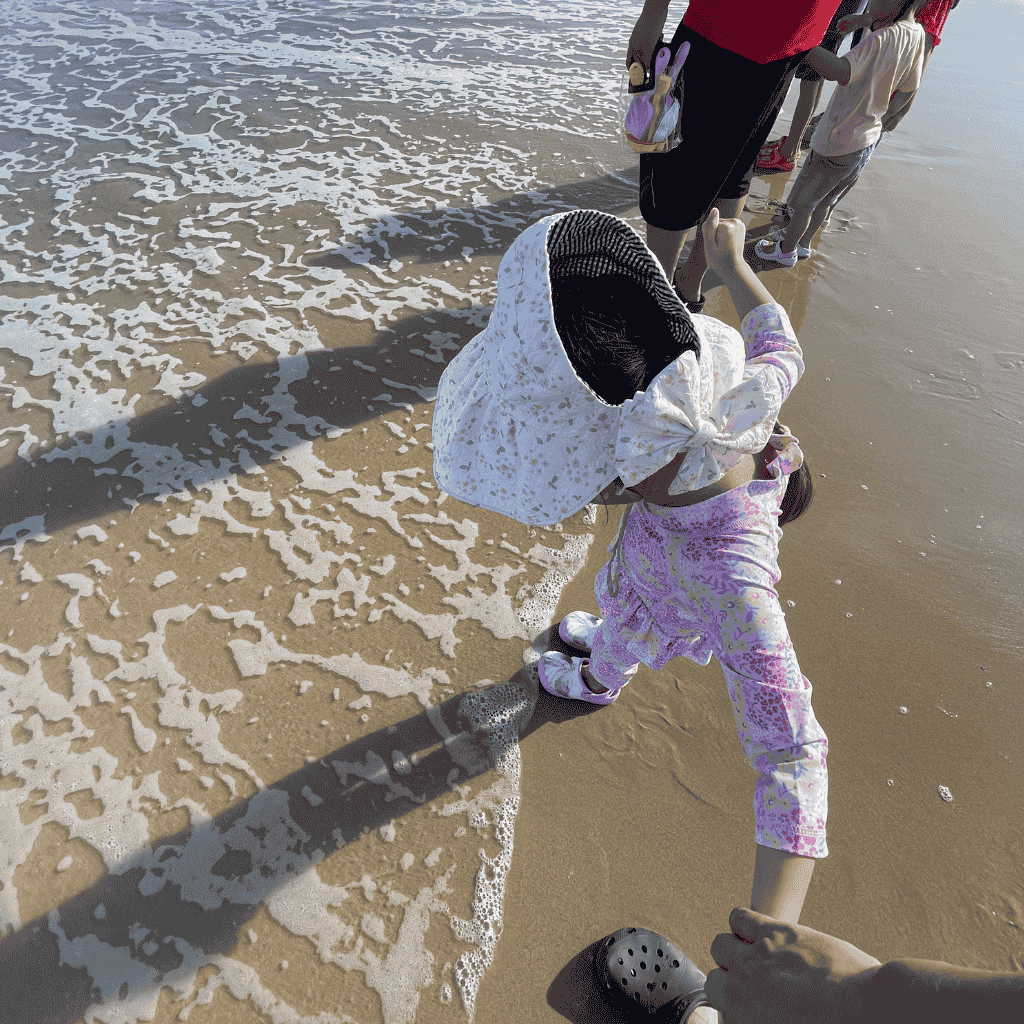
Dreaming as Emotional Survival in the In-Between Kristina December 22, 2025 My Journey to $100k I used to think dreaming was something you outgrew when life got “real.” When you hit your 40s. When you’re raising children in different stages of life. When you’re quietly trying to rebuild confidence, income, and stability all at once. But I’ve come to understand something very different: Dreaming as emotional survival is necessary. Not childish. Not unrealistic. Not irresponsible. Necessary. Dreaming as emotional survival is what keeps me moving on days when results are slow, when money feels uncertain, when all I have is faith and very small steps. It helps me believe that my life and my story are not finished yet especially in the in-between. Dreaming as a Form of Healing For me, dreaming keeps me sane. It feels like a mental reset and maybe even a form of healing especially during hard seasons like the past few months. Not hard in a dramatic way, but in the quiet, heavy way that seeps into your thoughts when you’re trying to hold everything together. When finances are tight. When plans feel delayed. When progress doesn’t look the way you hoped it would. Dreaming as emotional survival is how I breathe through that. Dreaming Is Not Escaping- It’s Coping When I talk about dreaming, I don’t mean letting my mind drift aimlessly. Although even that has value. Sometimes imagining a beach, a quiet place, or a peaceful morning softens the edges of the day. Those moments aren’t useless at all. But the kind of dreaming that keeps me steady is more intentional. It’s choosing something specific to hold onto. Something steady. Something hopeful. Something to look forward to. This is where dreaming as emotional survival becomes grounding rather than avoidant. The Kind of Dreaming That Keeps Me Steady For me, that place is Disney World in Orlando. Not casually, but intentionally. I let myself remember the sights. Walking down Main Street. The music. The atmosphere. Sometimes I imagine the details: where we might eat, which rides we’d do first, how the day might unfold. It’s not about pretending I can book the trip right now. It’s not about denial. It’s about allowing my mind to rest somewhere safe and that is exactly what dreaming as emotional survival does for me. Why Disney, of All Places? As I’ve written this, I’ve found myself asking: Why Disney? And I think I know. Disney World holds some of my happiest memories.. I went there multiple times as a child with my family, and those trips are tied to feelings of safety, laughter, excitement, and togetherness, a time when life felt lighter and I was simply allowed to be happy. Later, I went there with my own little family with my husband and children creating a new layer of memories. Those moments felt grounded, present, and full in a way that’s hard to explain unless you’ve lived it. And Disney World was also the last place I travelled to with my late brother. Because of that, it holds some of my most precious memories of him, moments frozen in time, wrapped in love, laughter, and togetherness. So when Disney shows up in my dreams, it’s not really about a theme park. It’s about joy.Family.Memory.And hope. Dreaming about going back and creating new Disney memories with my husband and children feels like a quiet prayer, a belief that happiness can be revisited, and also renewed. Dreaming Gives Me Hope When Things Feel Dark Dreaming helps me feel that everything can be okay again. It gives me light when things feel heavy.It reminds me that this season is not permanent.That my life is bigger than my current circumstances. And sometimes, dreaming as emotional survival is the only thing keeping the light on. Dreaming as Emotional Survival I don’t dream because everything is okay. I dream because things are not okay and I still need to function. Dreaming as emotional survival helps regulate my emotions when reality feels overwhelming. It keeps me from sinking into hopelessness. It gives my nervous system a break from constant problem-solving. It’s not denial.It’s preservation. Giving Myself Permission to Dream There was a time I felt guilty for dreaming. Like it was irresponsible.Like I should only focus on what was practical and urgent. But I’ve learned that when you stop dreaming entirely, something inside you slowly shuts down. Quietly.Gently.Without pressure to make anything happen immediately. Just enough to keep my heart open and that, too, is dreaming as emotional survival. Dreaming Keeps Us Alive in the In-Between We don’t dream because life is easy.We dream because life is hard. Dreaming gives us: direction courage comfort clarity hope And hope is necessary. Right now, dreaming especially Disney dreaming, is how I survive the in-between. It keeps the light on while I rebuild, learn, and keep going. Even if it’s just a holiday in my mind for now, that is enough. Frequently Asked Questions 1. Why is dreaming necessary during hard seasons of life? A. Dreaming as emotional survival provides emotional relief, hope, and direction when results are slow or circumstances feel heavy. It helps regulate emotions and sustain resilience. 2. Is dreaming the same as escaping reality? A. No. Dreaming can be a healthy coping mechanism. It allows the mind to rest somewhere safe while remaining grounded in the present. 3. Why do people return to specific “happy places” in their dreams? A. Happy places are often tied to safety, love, or meaningful memories. Revisiting them can bring comfort, healing, and hope during times of rebuilding. 4. Is it childish to dream as an adult? A. Not at all. Dreaming as emotional survival is a form of emotional resilience, especially during life transitions, grief, or seasons of uncertainty. Facebook-f Instagram Recent Post Dreaming as Emotional Survival in the In-Between Over 40s Fitness for Busy Moms: Why a Rebounder Became My Secret Weapon Learn AI as a Beginner: Why I Created Elle Lune Digital Inside ODIP Categories
Over 40s Fitness for Busy Moms: Why a Rebounder Became My Secret Weapon
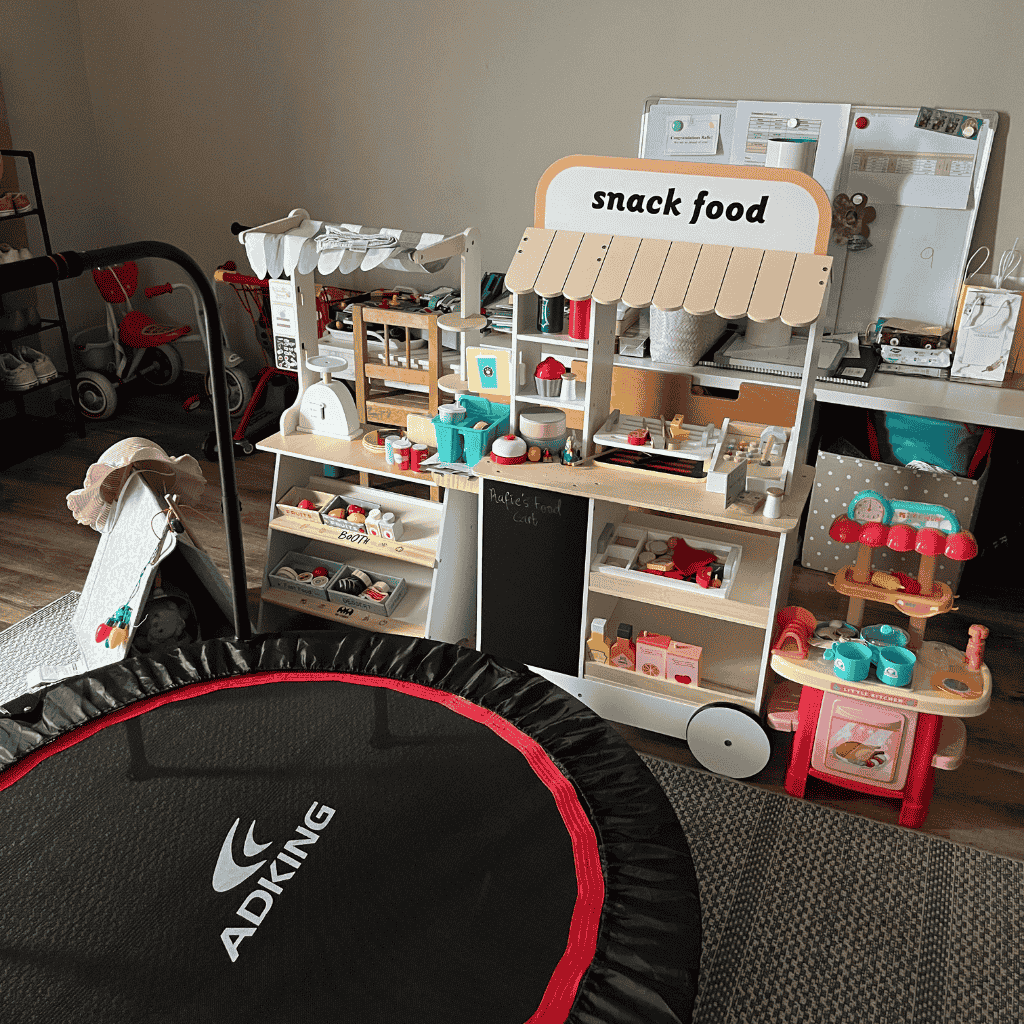
Over 40s Fitness for Busy Moms: Why a Rebounder Became My Secret Weapon Kristina December 18, 2025 My Journey to $100k Over 40s fitness for busy moms is not about extreme workouts or perfect routines. It’s about finding what truly works in real life, especially when you’re juggling family, work, and everyday responsibilities. This is one personal fitness tip I really want to share. My Personal Bonus Tip: Get a Rebounder (Mini Trampoline) One personal fitness tip I really want to share is this: get a rebounder / mini trampoline. It has honestly been a life-changer for my fitness routine as a busy mom over 40. I’ve bought a treadmill and a stepper before, and I’ve also used a stationary bike at home. They all had their moments, but the reality is that they’re bulky, take up so much space, and eventually end up becoming places to hang clothes or stack boxes. They’re also difficult to move around. Of course, there are smaller options now, like walking pads and mini treadmills, and those are actually very useful. I just don’t personally own one. The mini trampoline, despite being bigger, is surprisingly light, easy to move, and can be dismantled without much effort. And the benefits it has given me have been amazing. How Rebounding Helped My Knees and Joint Pain After 40 From what I’ve learned, this makes sense. Rebounding is a low-impact exercise, meaning your joints aren’t absorbing harsh force like they do with running or jumping on hard surfaces. At the same time, it helps strengthen the muscles around the knees, especially the quadriceps, hamstrings, and calves, which improves joint stability and reduces strain on the knee itself. For over 40s fitness for busy moms, this kind of joint-friendly movement makes a huge difference. Lymphatic Drainage and Circulation Benefits Another huge benefit of rebounding is lymphatic drainage. Unlike the heart, the lymphatic system doesn’t have a pump, it relies on muscle movement and gravity. The gentle bouncing motion of rebounding helps stimulate lymph flow, which supports detoxification, circulation, and even immune health. It’s also excellent for cardiovascular health. Your calf muscles are sometimes called the body’s “second heart” because they help push blood back up toward the heart. Rebounding activates these muscles consistently, which supports better circulation without putting stress on your joints. This is one reason rebounding fits so well into over 40s fitness for busy moms, you get real benefits without overloading your body. Beginner-Friendly Rebounder Workouts I Started With I started out very slowly, just following YouTube workouts, and I found an instructor who is now my absolute favourite. Her instructions are clear, she gives great tips, and her routines are easy to follow. She has everything from beginner-level workouts to more intense HIIT sessions, with well-organized playlists and something for everyone. If you’re curious, I highly recommend checking out her channel here: 👉 Jump&Jacked Here are the videos that I started with as a beginner: Beginner Mini Trampoline Workout: Mamma Mia Hits 20 Minute Session – a very fun and easy video to start with 15-Minute Beginner Rebounder Workout with Safety Bar – very beginner-friendly, with a safety bar Valentine’s Day Jump Dance Workout | Mini Trampoline Cardio to Love Songs! – I love this playlist I usually combine these three videos as a complete workout- 45 to 50 minutes done. Do You Need an Expensive Rebounder? I also want to mention that you don’t need to buy an expensive rebounder to start. I bought a cheap rebounder from Temu, and it has worked perfectly fine for me. Since this was a new activity for me, I didn’t want to commit to a more expensive one upfront before knowing if I would actually stick with it. There are generally two types of rebounders: Corded rebounders – softer bounce, easier on the knees Metal spring rebounders – tighter bounce, more resistance Both work well. I chose the metal spring version simply because it was cheaper at the time. If knee comfort is a big concern, the corded ones may feel gentler, but either option can still be effective for over 40s fitness for busy moms. Safety Notes for Moms With Young Kids One important thing: check the reviews carefully, especially for safety and build quality. I have small kids, so the metal springs worried me at first, but mine came with a protective spring cover. I just make sure the kids use it with supervision only. When it’s not in use, I leave the rebounder in my living room behind the couch, so it doesn’t feel like bulky gym equipment taking over the space. Over 40s fitness for busy moms doesn’t have to be complicated, expensive, or painful. Sometimes, it’s about finding one simple tool that fits your space, your body, and your lifestyle. For me, that tool was a rebounder and it helped me move again with confidence, consistency, and joy. Slow progress still counts. Showing up still matters. And starting again is always allowed. 💛 Disclaimer: This is based purely on my personal experience and is shared for informational purposes only. I’m not a medical professional, and everyone’s body and health situation is different. If you have existing joint issues, injuries, or medical conditions, it’s always best to consult with a qualified healthcare professional before starting any new exercise routine. Facebook-f Instagram Recent Post Over 40s Fitness for Busy Moms: Why a Rebounder Became My Secret Weapon Learn AI as a Beginner: Why I Created Elle Lune Digital Inside ODIP Over 40s Fitness for Busy Moms Who Love to Eat (Real-Life Guide) Categories My Journey to $100k Subscribe Our Newsletter Sign up today and get the Canva Course Starter Pack Freebie, plus access to my free newsletter filled with tips and inspiration. You can unsubscribe anytime, and you’ll find all the details in our Privacy Policy. Send You have been successfully Subscribed! Ops! Something went wrong, please try again.