Waking Up at 5AM for 8 Weeks: What the 5AM Club Changed for Me
Our Dreams In Progress
Welcome to my personal space, where I write through change, learning, and healing in real time. Written by a 45-year-old mother of three, learning AI, online systems, and how to stay sane and healthy, one honest step at a time.

Perimenopause at 45: Brain Fog, Anxiety, and Learning to Care for My Body
Elle Suhardi
February 5, 2026
My Journey to $100k
These days, I feel more forgetful than I used to be. I cannot seem to remember what I was supposed to do, and sometimes even what I just did. This does not feel like being distracted or busy. It feels different—like my mind is cloudy, slower, and harder to trust.
I now understand this as perimenopause at 45, but at first, it frightened me.
For a while, I worried something was wrong with me. I questioned my focus, my memory, and even my ability to function day to day. During my usual school run, I listened to a Mel Robbins podcast episode about menopause and perimenopause, and for the first time, things clicked. What I was experiencing—brain fog, anxiety, and emotional changes—was not imagined. It was real and recognized.

That knowledge brought relief. I may not like this phase, but understanding it makes it feel less frightening.
I have also noticed that I get frustrated more easily. Small things feel overwhelming. I used to tell myself it was stress or exhaustion and that I should just push through. But learning how hormonal changes during perimenopause directly affect mood and emotional regulation helped me stop blaming myself. This is not weakness. It is my body adjusting.
Perimenopause was never something I thought about when I was younger. Menopause felt distant—something for much older women. I did not realise that perimenopause can begin years before menopause itself. Facing that truth forced me to really acknowledge my age and what my body has quietly been navigating.
Looking back, the signs were there. Seeing my hair slowly turn grey was one of the first things that unsettled me. I remember finding my first white hair in my mid-thirties and feeling ashamed. I colored it immediately. Over time, covering my greys became routine, not just out of vanity, but fear. Fear of aging, especially as an older mother among much younger parents at school.
Lately, I have felt tired of fighting it. I could not be bothered anymore. And maybe that, too, is part of acceptance.
Now that I am 45, my priorities have shifted. I care less about how I look and more about how I feel how strong I am, how healthy my body is, and how long I can stay mobile and independent.
One of the biggest takeaways from the podcast was the importance of strength training during perimenopause. Exercise is no longer about weight or appearance. It is about protecting muscle, bone health, and long-term mobility.

Another surprise was learning about creatine. I always associated it with athletes or bodybuilders, not women navigating perimenopause at 45. Understanding how it can support muscle strength and even cognitive function made me realize how outdated my view of midlife health had been.
Anxiety has also been a quiet companion lately. I kept dismissing it as stress, but sometimes it shows up unexpectedly keeping me awake at night or making me feel uneasy without reason. Learning that anxiety can be a symptom of perimenopause helped me reframe it with compassion instead of shame.
I have also been waking up feeling unusually warm at night. Restless. Uncomfortable. I never thought of it as hot flashes because they did not look dramatic like they do in movies. Realising that hot flashes can be subtle and vary from person to person was oddly comforting.
At the heart of all this is fear. I am afraid I will not be able to keep up with my youngest. I want to walk beside her, attend her school events, and be present for her life. I want to age well not perfectly, but with strength, mobility, and independence.
That is why caring for myself during perimenopause at 45 now feels non-negotiable.
What I Am Changing Moving Forward
This phase of life cannot be ignored or pushed through blindly. I want to be intentional.
I am prioritizing strength training, improving nutrition, and supporting my body with knowledge instead of fear. I am learning to be gentler with myself emotionally, especially on days when anxiety or mental fatigue feels heavy.
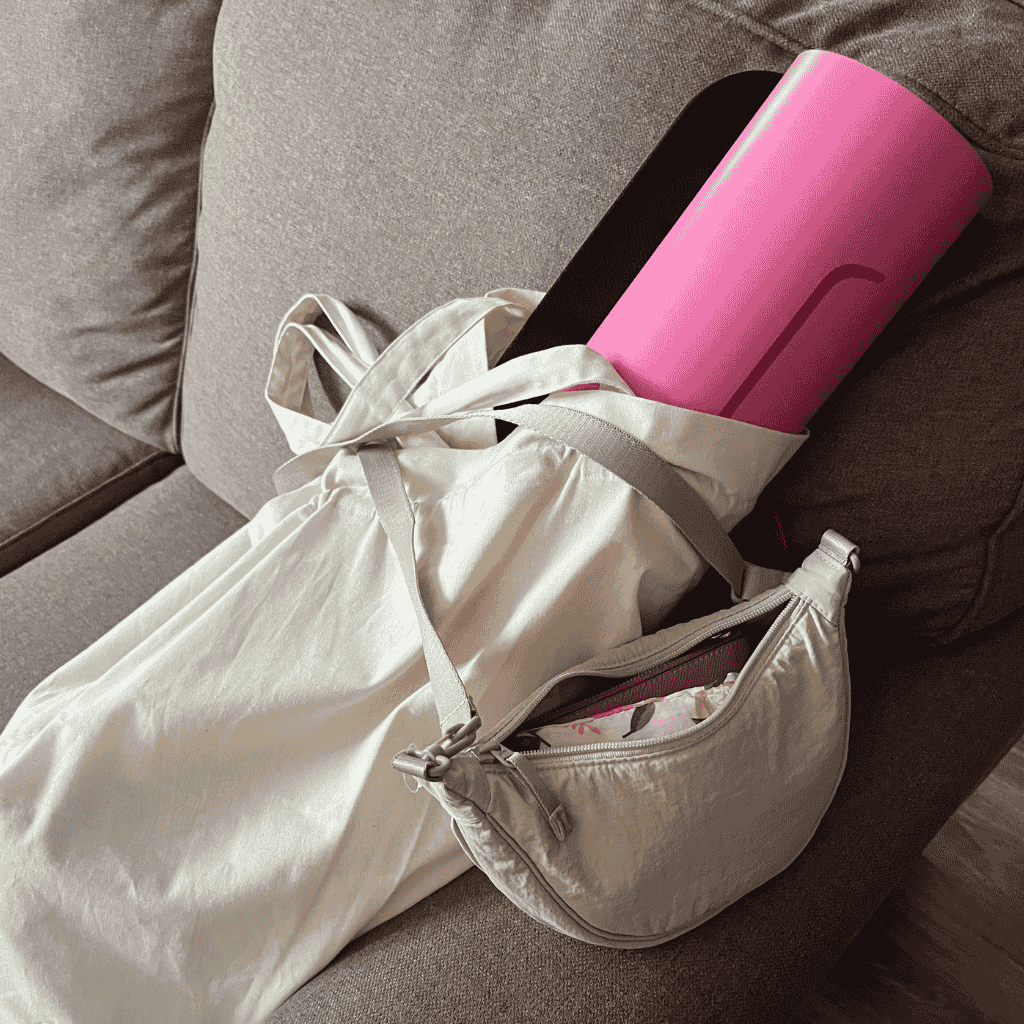
Most of all, I am choosing to stay informed. Understanding my body has given me peace, and that feels like the most important form of self-care right now.
Resources I Found Helpful
The Mel Robbins podcast episode helped me understand perimenopause with clarity and compassion.
Frequently Asked Questions
1. Is it normal to experience brain fog during perimenopause at 45?
Yes. Brain fog is a very common symptom of perimenopause at 45. Hormonal fluctuations can affect memory, focus, and mental clarity, making you feel forgetful or mentally slower. While it can feel frightening, it is a recognised part of this transition for many women.
2.Can perimenopause at 45 cause anxiety even if I never struggled with it before?
Absolutely. Anxiety can appear or intensify during perimenopause at 45, even in women who have never experienced it previously. Hormonal changes can impact emotional regulation, sleep, and stress response, which may lead to sudden or unexplained feelings of anxiety.
3. What is the best way to care for my body during perimenopause at 45?
Caring for your body during perimenopause at 45 starts with awareness. Strength training, supportive nutrition, proper rest, and staying informed can help protect muscle, bone health, and overall wellbeing. Just as important is emotional care being gentle with yourself and understanding that this phase is not a failure, but a transition.


Subscribe Our Newsletter
Sign up today and get the Canva Course Starter Pack Freebie, plus access to my free newsletter filled with tips and inspiration. You can unsubscribe anytime, and you’ll find all the details in our Privacy Policy.